







Melasma Treatment in Pakistan: Causes, Routine & Prevention Guide 2026
Brown or greyish patches on your cheeks, forehead, or upper lip that just won't fade? You might be dealing with melasma. It is one of the most common pigmentation concerns in Pakistan, especially with the strong sun, heat, and pollution we deal with every day. If you are searching for the best melasma treatment in Pakistan, choosing the right routine can feel overwhelming with so many creams and products available. In this guide, we'll break down what causes melasma, what ingredients to look for, and how to keep dark patches under control.
Quick Summary
- Melasma is a common pigmentation condition that causes brown or greyish patches on the face.
- The main triggers are sun exposure, hormones, genetics and skin irritation.
- Daily sunscreen is the most important step in any melasma routine.
- Ingredients like kojic acid and vitamin C help brighten uneven tone with regular use.
- Results take weeks, so consistency matters more than switching products.
What Is Melasma?
Melasma is a skin condition where extra pigment (melanin) builds up in certain areas of the face, creating uneven, darker patches. It usually appears on the cheeks, forehead, nose bridge, and above the lip, often in a symmetrical pattern on both sides of the face. It is not harmful, but it can affect confidence, and it tends to come back if triggers are not managed.
Why Does Melasma Happen in the First Place?
Melasma occurs when pigment-producing cells in the skin become overactive. In Pakistan's strong sunlight and high temperatures, this happens even more easily, which is why so many people here struggle with dark patches and uneven skin tone.
Key causes of melasma:
- Sun exposure and daily UV rays
- Hormonal changes (pregnancy, birth control pills, hormonal shifts)
- Genetics – if your mother or sister has melasma, you are more likely to get it
- Skin irritation from harsh scrubs, strong products, or over-exfoliation
- Heat and pollution making pigmentation worse

Melasma vs. Regular Dark Spots
Dark spots from acne marks or tanning are usually small and limited to one area. Melasma appears as larger patches that are usually the same on both sides of the face. If you are unsure which one you have, a dermatologist can confirm it for you.
Types of Melasma
Melasma is often described by how deep the pigment sits in the skin:
- Epidermal melasma: light to dark brown patches in the top layer of skin. This type usually responds better to regular topical care.
- Dermal melasma: greyish or bluish-brown patches that sit deeper in the skin. This type is harder to manage and usually takes longer.
- Mixed melasma: a combination of both, and the most common type.
Not sure which one you have? A dermatologist can check your skin and guide you properly.
What Ingredients Should a Melasma Cream Have?
Not all creams are created equal. For melasma and dark patches, the ingredients matter more than the brand name or packaging. Here are the most useful ones to look for:
Kojic Acid
Kojic acid is one of the most popular ingredients for uneven skin tone and dark patches. It helps slow down melanin production, which gradually fades pigmentation with regular use. A kojic acid cream for melasma in Pakistan is a common choice for dark spots, tanning, and acne marks. To use it correctly, read our guides on how to apply kojic acid cream and how long you can use kojic acid cream.
Vitamin C
Vitamin C is rich in antioxidants that help brighten the skin and support an even tone. It works best in the morning, under sunscreen.
Hyaluronic Acid and Vitamin B5
A damaged moisture barrier can make pigmentation look worse. A hydrating serum keeps the skin soft and calm while your brightening products do their work.
Sunscreen (Most Important)
Without daily sun protection, even the best melasma treatment gives limited results, because sunlight can bring the patches back.

The Right Skincare Routine for Melasma
Using the right products is only half the battle. Consistency matters just as much.
Morning Routine:
Gentle Cleanser → Vitamin C → Moisturizer → Sunscreen
Evening Routine:
Gentle Cleanser → Kojic Acid Cream / Treatment → Hydrating Serum → Moisturizer
How to Start Your Routine (Week by Week)
Starting too many active products at once can irritate the skin. Build your routine slowly.
| Stage | Morning | Night |
|---|---|---|
| Week 1–2 | Cleanser, Vitamin C, Moisturizer, Sunscreen | Cleanser, Hydrating Serum, Moisturizer (use Kojic Acid Cream every second night) |
| Week 3 onwards | Cleanser, Vitamin C, Moisturizer, Sunscreen | Cleanser, Kojic Acid Cream, Hydrating Serum, Moisturizer (nightly, if your skin feels comfortable) |
Always do a patch test first and follow the directions on the pack. If you notice redness, burning or peeling, pause the product and let your skin recover.
Tips for best results:
- Wash your face twice daily, morning and night
- Use lukewarm water, not hot water
- Apply products gently with your fingertips, no scrubbing
- Introduce one new product at a time so your skin can adjust
- Apply sunscreen every morning and reapply if you are outdoors for long hours
Melasma Myths You Should Stop Believing
Myth 1: I only need sunscreen on sunny days.
Fact: UV rays reach your skin on cloudy days, in winter and even near windows. Daily sunscreen is needed all year.
Myth 2: Lemon juice and home remedies fade melasma faster.
Fact: Lemon juice and harsh DIY mixes can irritate the skin and make patches darker.
Myth 3: Melasma will go away in a week.
Fact: Melasma fades slowly. Most people need weeks of consistent care to see a visible change.
Myth 4: A stronger product means better results.
Fact: Overusing strong products damages the skin barrier and can make pigmentation worse.
Common Mistakes People Make with Melasma
Even with the best melasma treatment in Pakistan, these common mistakes can slow down your results:
Skipping sunscreen – This is the biggest mistake. Sun exposure can darken patches again, even if you have been using treatment products for weeks.
Using harsh scrubs or DIY remedies – Lemon juice, baking soda, and rough scrubs irritate the skin and can make pigmentation darker instead of lighter.
Expecting overnight results – Melasma fades slowly. Switching products every week confuses your skin and delays improvement.
Over-exfoliating – Too much exfoliation damages your skin barrier, which can worsen dark patches.
Touching your face constantly – Your hands carry oil and bacteria, and picking at skin can leave marks that add to pigmentation.
Charisma Melasma Treatment Plan – Why It Works
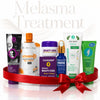
If you don't want to pick products one by one, Charisma's Melasma Treatment Plan brings together a complete routine in one bundle at a special discount. It combines Kojic Acid Cream, Hyalu & CB5 Serum, Instant Whitening Foaming Gel Face Wash, Vitamin C Gel Cream, Fix Skin Facial Cleanser, and Advance Beauty Code Super Glowing Cream, so you get cleansing, brightening, and hydration in one plan.
[IMAGE 5 HERE – real product photo, delete this line after inserting the image]
Key Benefits:
- Helps fade dark patches and uneven skin tone with regular use
- Brightens dull skin and supports a healthy glow
- Hydrates and soothes the skin barrier
- Complete routine, no guessing which products to use
- Dermatologist tested, with Cash on Delivery and 7-day returns
Who Should Use It:
This plan is ideal for anyone dealing with melasma, dark spots, pigmentation, or uneven skin tone, especially in Pakistan's climate where sun and heat make patches harder to manage.
Melasma During Pregnancy
Hormonal changes in pregnancy can trigger melasma, sometimes called the "mask of pregnancy". In many cases the patches lighten after delivery, but not always. If you are pregnant or breastfeeding, speak to your doctor before starting any new active skincare product, and stay consistent with daily sun protection.
When to See a Dermatologist
If your patches are very dark, spreading quickly, or not improving even with a proper routine, consult a dermatologist. They can guide you on stronger, personalized options.
FAQ's
Q1. Which cream is best for melasma in Pakistan?
The best melasma cream in Pakistan contains ingredients like kojic acid and vitamin C, and is used alongside daily sunscreen. Look for a formula that brightens without irritating your skin.
Q2. Can melasma go away permanently?
Melasma can fade significantly with a consistent routine, but it can return with sun exposure or hormonal changes. Daily sun protection is the key to keeping it under control.
Q3. Is kojic acid safe for daily use?
Many people use kojic acid cream regularly as directed on the pack. Always do a patch test first, and stop use if you notice irritation.
Q4. Can I use vitamin C and kojic acid together?
Yes. Many people use vitamin C in the morning and kojic acid at night. Introduce one product at a time so your skin can adjust.
Q5. How long does it take to see results?
Most people notice a gradual improvement in tone and brightness after several weeks of regular use. Deeper melasma takes longer, and results depend on sun protection and consistency.
Conclusion
Dealing with melasma in Pakistan's climate is challenging, but the right routine can make a real difference. Look for ingredients like kojic acid and vitamin C, protect your skin from the sun every day, and stay patient with your routine.
Charisma Melasma Treatment Plan is designed for exactly this, giving your skin a complete, consistent routine without the guesswork.
Ready to start your routine? Explore the Charisma Melasma Treatment Plan and get everything you need in one bundle, with Cash on Delivery and 7-day returns available across Pakistan.