












Charisma Anti-Acne Bundle: Skincare Routine for Acne-Prone Skin

Clear Skin, Confident You: Your Complete Guide to Acne Care
Acne is one of the most common skin concerns affecting teenagers and adults. From occasional pimples and blackheads to persistent breakouts, acne can affect how your skin looks and feels. The right skincare routine can help you care for acne-prone skin, maintain hydration, and support a healthier-looking complexion.
Instead of trying every trending skincare product, focus on understanding your skin, choosing suitable ingredients, and following a consistent routine. In this guide, discover what causes acne, how to care for acne-prone skin, and how the Charisma Acne Treatment Plan can fit into your daily skincare routine.

What Is Acne?
Acne is a skin condition that develops when hair follicles become clogged with excess oil and dead skin cells. Hormonal changes, inflammation, and skin bacteria can also contribute to breakouts.
Acne can appear on the face, forehead, cheeks, chin, chest, and back. It may present as whiteheads, blackheads, red pimples, or deeper painful bumps. Acne is not necessarily a sign of poor hygiene, and excessive washing can irritate the skin.
What Causes Acne and Pimples?
1. Excess Oil Production
Your skin naturally produces sebum, an oily substance that helps protect it. Excess sebum can combine with dead skin cells and contribute to clogged pores.
2. Hormonal Changes
Hormonal changes during puberty, menstrual cycles, and adulthood can affect oil production and contribute to breakouts.
3. Clogged Pores
When oil and dead skin cells accumulate inside hair follicles, blackheads and whiteheads may develop.
4. Skincare Products
Some makeup, haircare, and skincare products can contribute to clogged pores. Choosing products labelled non-comedogenic may help reduce this risk.
5. Stress and Lifestyle
Stress may worsen acne in some people. Sleep, diet, and individual skin sensitivity can also influence the appearance of breakouts.

Different Types of Acne
Whiteheads
Whiteheads are small bumps that develop when pores become clogged and remain closed at the skin surface.
Blackheads
Blackheads form when clogged pores remain open. Their dark colour is caused by changes in the material inside the pore, not simply dirt.
Papules and Pustules
Papules are inflamed red bumps, while pustules are pimples that contain visible pus. Avoid squeezing them because this may worsen inflammation and increase the risk of marks or scars.
Deep or Painful Acne
Deep nodules and cyst-like lesions can be painful and may leave scars. A dermatologist can recommend suitable treatment for persistent or severe acne.

Meet the Charisma Acne Treatment Plan
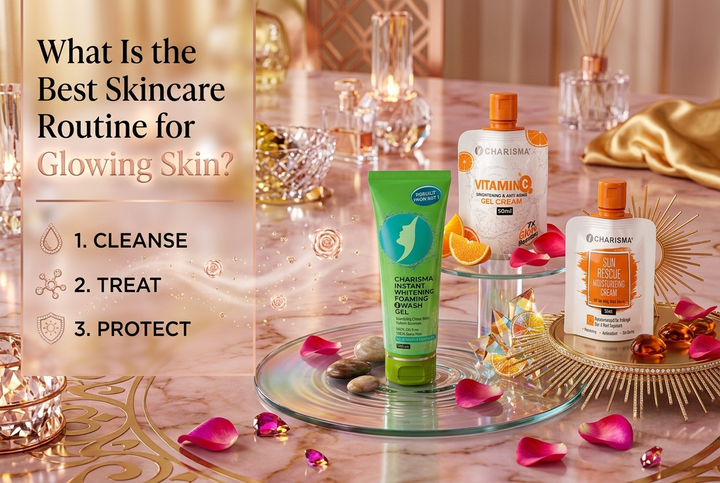
A simple skincare routine can help you care for acne-prone skin without overwhelming it with too many products. The Charisma Acne Treatment Plan features three products that may be incorporated into your routine, depending on their ingredients and suitability for your skin.
Charisma Aloe Rose Face Mist
A facial mist can add a refreshing step to your skincare routine. Aloe- and rose-based formulas may provide a soothing feel, although results depend on the formula and individual skin sensitivity.
Skincare tip: Follow the product directions and patch-test first if you have sensitive skin.
Charisma Anti-Acne Tea Tree Foaming Face Wash
Cleansing helps remove excess oil, sweat, and everyday impurities. Tea tree-based products may help some people with mild acne, but results vary and irritation is possible.
Skincare tip: Cleanse gently, avoid harsh scrubbing, and follow the directions on the packaging.
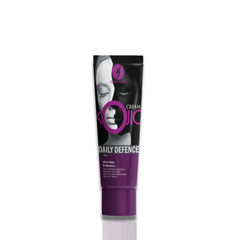
Charisma Cream QIC Daily Defence
Moisturising helps support the skin's protective barrier and can reduce dryness associated with some acne treatments. Even oily skin can benefit from a suitable moisturiser.
Skincare tip: Check the product label to confirm its intended use and sun protection details. If it does not provide adequate sun protection, use a separate broad-spectrum SPF 30 or higher sunscreen during the day.

How to Build a Daily Skincare Routine for Acne-Prone Skin
Morning Routine
- Cleanse your face gently with a suitable face wash.
- Apply the Aloe Rose Face Mist if it suits your skin and the label directions.
- Use a lightweight, non-comedogenic moisturiser.
- Apply broad-spectrum SPF 30 or higher sunscreen.
Evening Routine
- Remove makeup and sunscreen before bed.
- Wash your face gently without scrubbing.
- Use suitable acne treatments according to their directions.
- Apply moisturiser to help maintain your skin barrier.
Introduce new products gradually. Using too many active ingredients at once can cause dryness, redness, and irritation.
Which Ingredients Can Help with Acne?
Salicylic Acid
Salicylic acid helps exfoliate inside pores and may improve blackheads, whiteheads, and clogged pores.
Benzoyl Peroxide
Benzoyl peroxide can help reduce acne-causing bacteria and inflammatory pimples. It may cause dryness and can bleach fabrics.
Azelaic Acid
Azelaic acid may help manage acne and improve the appearance of post-acne dark marks.
Tea Tree
Some evidence suggests tea tree products may help mild acne, but evidence is more limited than for established acne treatments. Avoid applying undiluted tea tree essential oil directly to your face.
Everyday Tips for Acne-Prone Skin
- Wash your face gently and avoid excessive cleansing.
- Avoid picking, squeezing, or scratching pimples.
- Choose non-comedogenic skincare and makeup where possible.
- Cleanse after heavy sweating.
- Keep items that regularly touch your face clean.
- Use sunscreen daily to help protect your skin.
- Avoid harsh DIY remedies such as lemon juice, toothpaste, and undiluted essential oils.
How Long Does Acne Treatment Take?
Acne care requires patience. Many acne treatments take around 6–8 weeks or longer before noticeable improvement, and a longer treatment period may be needed to assess the results properly.
Results vary depending on the type of acne, the ingredients used, and individual skin sensitivity. If your acne persists, becomes painful, or starts leaving scars, consult a dermatologist.
Frequently Asked Questions About Acne
Does acne happen because of dirty skin?
No. Acne involves clogged pores, oil production, inflammation, and hormonal factors. Excessive washing can make irritation worse.
Can tea tree face wash completely remove acne?
Not necessarily. Tea tree products may help some people, but results depend on the formulation and individual skin. No product can guarantee complete acne removal.
Should I moisturise oily skin?
Yes. A suitable lightweight moisturiser can help maintain the skin barrier, even if your skin produces excess oil.
Can I use all three Charisma products together?
Check the ingredient lists and directions for all three products before combining them. Introduce products gradually and stop using any product that causes a significant reaction.
When should I see a dermatologist?
Seek professional advice for painful or deep acne, persistent breakouts, scarring, or acne that does not improve with appropriate skincare.
Conclusion: Make Gentle Skincare a Daily Habit
Healthy-looking skin starts with understanding your skin and choosing products that suit its needs. Gentle cleansing, appropriate moisturising, sun protection, and consistent care can support an effective skincare routine.
The Charisma Aloe Rose Face Mist, Anti-Acne Tea Tree Foaming Face Wash, and Cream QIC Daily Defence may form part of your daily routine when used according to their labels and when suitable for your skin.
Remember, consistency matters more than using lots of products. Give your skin time, avoid harsh treatments, and seek professional advice when needed.
Disclaimer: This article provides general skincare information and is not a substitute for medical advice. Individual results vary, and the products are not guaranteed to cure acne.